
Apartment Block Window Cleaning Cambridge
Clean windows improve the appearance of an entire residential building. Getting them cleaned properly, however, takes more than turning up with a ladder.
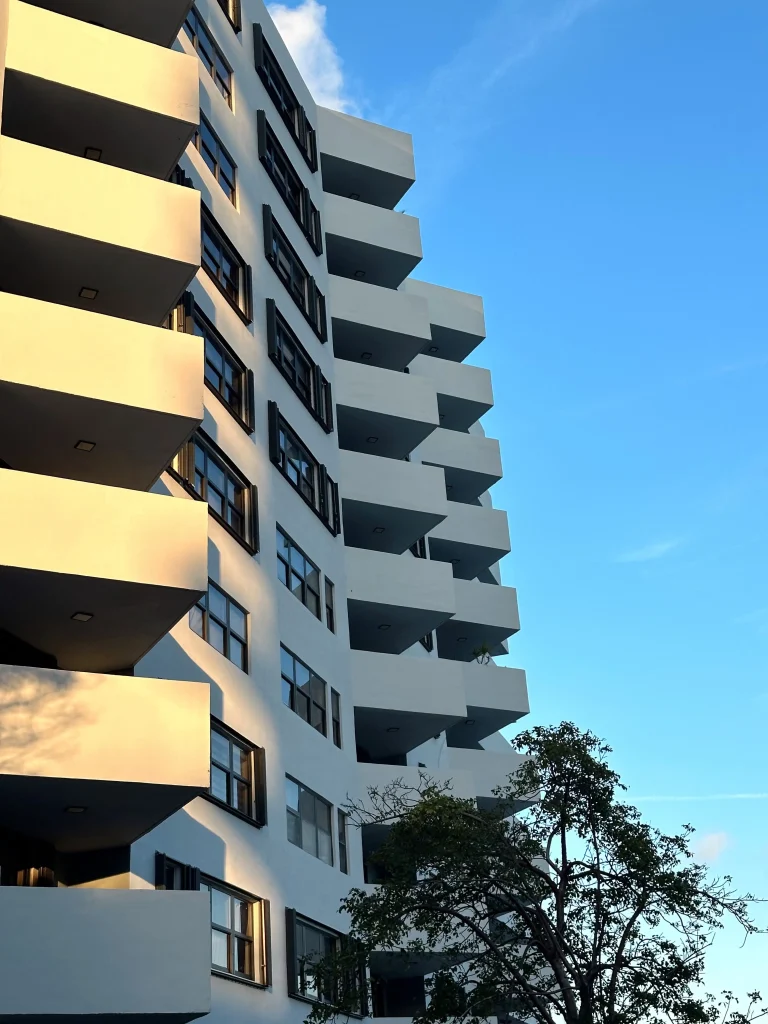
windows cleaning cambridge provides window cleaning for apartment blocks, blocks of flats, communal areas and managed residential properties across Cambridge. We work with landlords, managing agents, freeholders, residents’ management companies and housing providers.
Some property owners describe this service as multi-family home window cleaning. In Cambridge and the wider UK market, apartment block, residential block and communal window cleaning are the more familiar terms.
We can arrange one-off cleaning or a planned maintenance schedule. Before quoting, we review the building layout, window types, access restrictions and areas you want included.
Ready to Get Your Windows Cleaned Properly
Send us the property address and photographs of each elevation. We will review the information and tell you whether a site survey is needed.
Window Cleaning for Flats and Managed Residential Buildings
Cleaning a single house normally involves one customer and one access route. A block of flats can involve several elevations, shared entrances, private balconies, locked courtyards and dozens of residents.
The service may cover:
We define the cleaning area before work begins. This helps property managers compare quotations accurately and prevents uncertainty among residents.
Our Services
Luxury Home Window Cleaning
Townhouse Window Cleaning
Cottage Window Cleaning
Villa Window Cleaning
Residential Window Cleaning
Farmhouse Window Cleaning
Mansion Window Cleaning
Lake House Window Cleaning
Other Services
External Apartment Windows
External glass forms the main part of most apartment block contracts.
Each elevation can present a different challenge. The front may face a road or resident car park. The back may overlook private gardens. Side windows may sit above bin stores, cycle shelters or narrow passages.
We review those differences when preparing the quote.
Communal Entrances and Stairwells
Entrance doors and lobby glass collect fingerprints and marks faster than upper-floor windows. They may need more frequent cleaning, particularly in buildings with regular deliveries, visitors or high resident turnover.
Communal glazing can include:
- Main entrance doors
- Glazed side panels
- Lobby doors
- Internal partitions
- Stairwell windows
- Mailroom glazing
- Cycle-store doors
- Conservatories
- Shared balcony doors
- Glass around lifts
A split schedule often works well. Entrance glass can receive regular attention while upper external windows follow a quarterly or seasonal cycle.
Frames and Window Sills
Cleaning the surrounding frame produces a more complete result and reduces the risk of loose dirt washing back onto the glass.
Older painted frames need a different approach from modern aluminium or uPVC systems. Loose paint, failed seals and damaged trim also require care. The cleaner should report obvious defects rather than scrub an unstable surface.
Internal Windows in Occupied Flats
Internal cleaning requires more coordination than external work.
Residents may need to move plants, ornaments, electronics or furniture away from the window. Pets should remain in a secure room, and the cleaner should only enter agreed areas.
A resident notice should explain:
- The proposed date
- The expected working period
- Which rooms require access
- What residents need to move
- Whether an adult must be present
- What happens if an appointment is missed
- Who residents should contact with a question
External-only cleaning often avoids the need to enter individual flats, although the building design will determine what can be reached.
Need a clear scope for your block?
Send the address, number of floors and photographs of the front, rear and side elevations. We will identify the information needed for an accurate quotation.
A Practical Approach to Apartment Block Window Cleaning
A good quotation should answer three questions:
- What will be cleaned?
- How will the cleaner reach it?
- How often will the work take place?
Our assessment starts with the property itself. We look at window quantity, building height, access routes, ground conditions and any obstructions close to the elevations.
Information We Need
You can speed up the quotation process by providing:
- Full property address
- Postcode
- Number of buildings
- Number of floors
- Approximate window count
- Photographs of each elevation
- Internal or external cleaning requirements
- Areas used by residents
- Balcony and courtyard details
- Parking information
- Existing cleaning frequency
- Known access problems
- Preferred start date
Photographs can be enough for a straightforward initial assessment. Larger or more complex sites may need a physical survey.
What Happens During a Site Survey?
A site survey allows us to inspect areas that photographs may not show clearly.
We may review:
- The safe working distance from the building
- Window height and depth
- Recessed or projecting sections
- Balconies and privacy screens
- Roofs and canopies
- Sloping or uneven ground
- Locked gates
- Courtyard entrances
- Parking bays
- Public paths
- Cycle routes
- Delivery areas
- Overhead obstructions
- Sensitive planting
- Water run-off
- Busy resident entrances
We then separate routine windows from areas that require a different method or additional access.
A Clear Written Quotation
This makes it easier to compare like-for-like services. A lower price may not represent better value when communal doors, frames, upper floors or difficult elevations have been excluded.
Inside window cleaning, gutter clearing, fascia work, solar panel cleaning, and patio pressure washing are available as add-ons.
What Can Be Included?
The exact scope depends on the building.
| Area | Available Scope | Access to Confirm |
| External windows | Outside face of accessible glazing | Height, balconies and obstructions |
| Window frames | Reachable external frame surfaces | Frame material and condition |
| External sills | Reachable sill surfaces | Depth and window design |
| Entrance doors | Internal, external or both | Busy periods and door controls |
| Stairwell windows | Shared internal or external glazing | Keys and communal access |
| Lobby glazing | Doors, screens and partitions | Resident movement and floor protection |
| Balcony glass | Accessible screens and balustrades | Private-flat access |
| Entrance canopies | Agreed glass canopy sections | Height and safe ground position |
| Rooflights | Accessible roof glazing | Roof safety and edge protection |
| Internal flat windows | Inside face of residents’ windows | Appointments and room access |
The quotation should state whether frames, sills and internal glass are included. These details should not be left until the cleaning day.
Safe Access for High and Difficult Windows
Window cleaning at height must be planned around the building, not improvised on the day.
The UK Health and Safety Executive states that work at height should be avoided where reasonably practicable. Its guidance identifies telescopic water-fed poles and cleaning from inside as methods that can reduce the need to work at height. It also says the work must be properly planned, supervised and carried out by competent people using appropriate equipment.
Read the official HSE guidance on working at height while window cleaning.
Ground-Level Cleaning
Where the layout permits, upper windows may be cleaned using a telescopic water-fed pole from ground level.
The brush loosens dirt from the glass and agreed frame areas. Purified water then rinses the surface. Because the water contains very low levels of dissolved minerals, it can dry without the mineral spotting associated with ordinary tap water when the cleaning and rinsing process is completed correctly.
Ground-level work can also reduce disruption around the building. It does not, however, suit every window.
Deep recesses, enclosed balconies, overhanging roofs and narrow courtyards can prevent a suitable working angle.
Specialist Access
Some buildings contain windows that cannot be reached safely from the ground or inside.
Depending on the site, these areas may require specialist equipment or a separate access contractor. Options can include mobile elevated work platforms, installed cradles or rope-access systems.
The method must suit the building and the people carrying out the work. It should never be selected solely because it produces the lowest price.
The HSE publishes separate guidance on specialist access equipment for window cleaning.
Risk Assessments and Method Statements
The level of documentation should reflect the complexity of the property.
A larger block or difficult site may require:
- A site-specific risk assessment
- A method statement
- RAMS
- Equipment information
- Insurance evidence
- Pedestrian-control arrangements
- Emergency procedures
- Access plans
- Competency or training records
Ask for the documents relevant to your property before approving the work.
They should address real site conditions rather than rely on a generic form that could apply to any building.
Managing a higher or difficult-access block?
Send clear photographs of the upper elevations, balconies and surrounding ground. We will review whether the property needs a site visit or further access information.
Planning Work Around Cambridge Properties
Cambridge contains historic streets, converted houses, post-war estates and large modern developments. A method that works near Cambridge Station may not suit a narrow central street or a courtyard block in Newnham.
Historic and Central Cambridge
Properties near King’s Parade, Market Square and the surrounding historic streets can have limited vehicle access and restricted loading periods.
Cambridgeshire County Council currently states that legitimate loading in the historic centre can take place outside the restricted period, while waiting and loading restrictions apply within the controlled hours. The King’s Parade security barrier also operates daily.
Access rules can change, so they should be checked before each affected visit. See the official historic city-centre parking and access information.
For nearby residential blocks, this may affect:
- Arrival times
- Equipment unloading
- Vehicle positioning
- Permit requirements
- Walking distances from parking
- The order in which elevations are cleaned
Resident Parking and Busy Roads
Cambridge has numerous resident parking schemes. Areas such as Accordia, Romsey, Petersfield, Newnham and streets around Hills Road can require more careful vehicle planning.
The county council lists 23 resident parking schemes across Cambridge and provides separate information for tradesperson and business permits. See the Cambridge resident parking scheme information.
Where parking spaces sit directly below windows, the property manager may need to reserve selected bays before the visit.
Established Neighbourhoods
We handle enquiries from managed properties across Cambridge, including:
- Abbey
- Arbury
- Castle
- Cherry Hinton
- Coleridge
- East Chesterton
- King’s Hedges
- Market
- Newnham
- Petersfield
- Queen Edith’s
- Romsey
- Trumpington
- West Chesterton
These are Cambridge’s 14 official wards, as listed on the Cambridge City Council ward map.
We also receive enquiries around familiar residential routes and local areas such as:
- Mill Road
- Hills Road
- Station Road
- Milton Road
- Newmarket Road
- Histon Road
- Huntingdon Road
- Chesterton Road
- Queen Edith’s Way
- Trumpington Road
Mentioning a local street does not mean every property there has the same access conditions. Cambridge changes quickly from one block to the next.
New Residential Developments
Newer areas often contain several apartment buildings under a shared management structure.
Cambridge City Council’s community forums cover developing neighbourhoods including:
- Marleigh
- Springstead Village
- Darwin Green
- Eddington
- West Cambridge
- Northeast Cambridge
- New developments in Queen Edith’s
The council describes these forums as meetings between residents, councils and developers about the progress of the developments. See the official Cambridge community forums page.
Modern developments may include:
- Large glazed entrances
- Balcony balustrades
- Podium courtyards
- Underground parking
- Internal garden areas
- Mixed-height elevations
- Restricted service routes
- Several blocks on one site
These features should appear in the quotation rather than being discovered after the first visit.
Choosing the Right Cleaning Frequency
There is no universal schedule for every apartment block.
A property beside a busy road may collect dust more quickly than one in a sheltered courtyard. Entrance doors usually show marks sooner than upper-floor windows. Trees, birds, building works and window orientation can also affect the interval.
Common Maintenance Options
| Frequency | Where It May Work |
| Monthly | Entrance doors and high-contact communal glass |
| Every 6–8 weeks | Presentation-led or high-traffic areas |
| Quarterly | General external apartment-block cleaning |
| Three times per year | Lower-traffic residential exteriors |
| Twice per year | Sheltered blocks or lower-priority glazing |
| Annually | Selected rooflights or specialist-access areas |
These are examples rather than fixed recommendations.
A split-frequency contract can provide better value. For example:
- Entrance doors every month
- Ground-floor windows every eight weeks
- All external windows every quarter
- Internal stairwell windows twice a year
- Rooflights once a year
Cambridge City Council uses a defined schedule for qualifying estates that pay for communal-window cleaning through a service charge. Its published estate information states that those communal windows are cleaned in April, August and December.
That does not mean the same schedule is right for every privately managed block. It does show the value of agreeing specific service months in advance. See the council’s estate management and communal-window cleaning information.
One-Off Apartment Block Window Cleaning
A recurring contract is not always necessary.
One-off cleaning may suit:
- A property handover
- A block preparing for sale
- A new management appointment
- An end-of-tenancy programme
- A residents’ inspection
- A long gap between contractors
- Cleaning after external building work
- A pre-event or presentation clean
- A newly completed development
- A seasonal improvement programme
An initial clean may take longer than later maintenance visits. Dirt can build up along frame edges, on deep sills and around rarely cleaned communal glazing.
Tell us when the windows were last cleaned and whether there is paint, cement, adhesive or construction residue on the glass. Some contamination needs specialist assessment and should not be treated as routine dirt.
Apartment Block Window Cleaning Prices in Cambridge
We do not recommend estimating a block solely by the number of flats.
Two buildings with the same number of apartments can have completely different glazing and access.
What Affects the Price?
| Factor | Effect on the Work |
| Number of buildings | More movement and setup may be required |
| Number of windows | Affects overall cleaning time |
| Building height | Can change the required access method |
| Window design | Recesses and small panes take longer |
| Frames and sills | Increase the surface area |
| Balconies | May block access or require appointments |
| Internal cleaning | Requires room access and coordination |
| Ground conditions | Slopes, planting and obstacles affect positioning |
| Current condition | Heavy build-up can extend the initial visit |
| Parking | Restricted loading can increase setup time |
| Frequency | Regular cleaning can control future build-up |
| Specialist access | May require extra equipment and planning |
How to Get an Accurate Quote
Send us:
- The property address and postcode
- The number of buildings and floors
- Photographs of every elevation
- The areas you want cleaned
- Your preferred frequency
- Details of balconies, courtyards or locked areas
- Any parking restrictions
- Your preferred start date
We will review the information and advise whether we can quote from the photographs or need to inspect the site.
Get a clearer quotation
Email the property address with front, rear and side photographs. We will review the likely access method, confirm any missing information and arrange a survey when necessary.
Window Cleaning for Managing Agents and Property Managers
Managing agents need a service that can be explained to landlords, leaseholders and residents.
We can structure the quotation by:
- Individual building
- Elevation
- Communal and private areas
- Internal and external glass
- Standard and difficult-access windows
- Cleaning frequency
- Optional work
This helps when costs need to be allocated across several buildings or service-charge headings.
Multi-Site Portfolios
Several properties can be grouped into a planned route, but each site should retain its own specification.
A portfolio schedule may record:
- Property address
- Site contact
- Access instructions
- Key collection details
- Cleaning frequency
- Areas included
- Parking information
- Known exclusions
- Completion status
Grouping work can reduce repeated administration. It should not result in a vague contract that treats every building as identical.
Residents’ Management Companies
Resident-led management companies often need enough detail to present a proposal to a committee or annual meeting.
A useful quotation should allow residents to see:
- What the service covers
- How often visits take place
- Which areas cost more
- Whether private access is needed
- Why certain windows require a different method
- What documentation will be available
Clear information supports better decisions and reduces disagreements after the work begins.
Landlords and Freeholders
For landlords, clean external windows can improve the presentation of a block before viewings, inspections or new tenancies.
The visit may also reveal visible issues such as:
- Failed seals
- Loose trim
- Damaged frames
- Cracked panes
- Blocked drainage slots
- Heavy staining
- Inaccessible windows
A window cleaner does not replace a building surveyor or repair specialist. Visible concerns can still be reported to the property contact for further inspection.
What to Expect After You Enquire
We keep the first stage straightforward.
1. Send the Property Details
Provide the address, photographs and required cleaning areas.
2. We Review the Access
We consider building height, obstructions, communal areas, parking and resident access.
3. We Confirm the Next Step
We will tell you whether more photographs, a window schedule or a physical site survey is required.
4. You Receive a Defined Scope
The quotation identifies the agreed areas, frequency and relevant assumptions.
5. The Visit Is Arranged
Where resident action is needed, the site contact can issue notice before the cleaning date.
Questions Cambridge Homeowners Ask Us
Ready to Get Your Windows Cleaned Properly
Request an Apartment Block Window Cleaning Quote
Send us:
- The Cambridge property address
- The number of buildings
- The approximate number of floors
- Photographs of each elevation
- The areas you want cleaned
- Your preferred cleaning frequency
- Details of any parking or access restrictions
We will review the property information and advise whether a site survey is needed.
Contact windows cleaning cambridge to discuss window cleaning for an apartment block, block of flats, communal area or managed residential development in Cambridge.
Send your property details and request a quotation today.